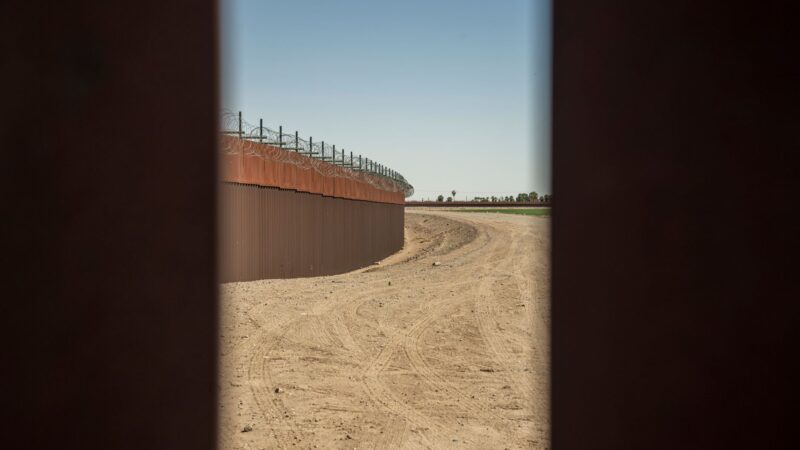
As we know, at the end of last July, the Spanish enclave of Ceuta – a city situated in the north of the African continent – experienced an exceptional influx of migrants. In terms of scale, it surpassed the similar event in 2021, when around 10,000 people poured into Ceuta. According to some estimates, by the end of July, the influx of migrants had involved over 80,000 people and resulted in a high number of casualties. Apart from its scale, however, this is not the only event of its kind, nor does it concern Morocco alone: over time, it has also affected Algeria, Libya and Tunisia.
The recent tragedy in Ceuta has highlighted at least two objective facts. The first is that African migration to Europe is a structural problem to which the EU must provide an equally structural response; the second is that, as demonstrated by the precedents of Turkey, Belarus, Libya and Morocco itself, migration is being used as a tool of hybrid warfare against the EU. These are two problems for which a solution is far from straightforward, and which make it increasingly urgent to launch a common European foreign policy towards the African continent.
As regards the first of the two objective facts just mentioned – namely, the solution to the problem of African migration – this can only take the form of a joint plan by the EU and the African Union (AU) for the continent’s development, so as to tackle at its roots one of the main causes of emigration (the others being the endemic wars affecting the continent and climate change). This development plan should be accompanied by controlled Euro-African management of migrant flows, as Europe needs – for demographic reasons – legal migrants to integrate into the labour market. The launch of a joint Euro-African development plan is necessary, as it is unrealistic to expect the EU to resolve the migrant issue on its own. This is a perspective that Pope Francis, a figure of unquestionable moral stature, had already criticised in the past, describing it as a ‘hypocritical’ stance.