Walter Dorn is professor of defence studies at the Royal Military College. He is also a UN consultant and has deployed as a civilian to several peacekeeping operations.
Thirty years ago this month, Canadian forces engaged in combat with an unlikely opponent: Croatian forces violating a UN ceasefire and engaging in ethnic cleansing. The Battle of Medak Pocket included a 16-hour firefight, which was at the time Canada’s largest military battle since the Korean War. More surprising at that moment was that the Canadians were using force as part of UN peacekeeping. Up until that time, peacekeepers had almost never engaged in combat. This story of the use of force was so unusual for traditional peacekeeping that it was kept under wraps for 10 years by the Canadian government, which only started to publicly recognize the valour of the peacekeepers in December, 2002.
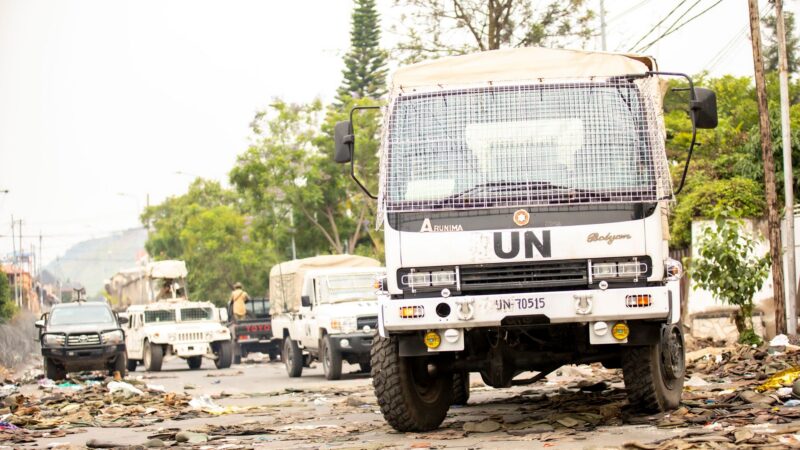
Fortunately, UN peacekeeping has become much more robust in the 21st century. This followed a groundbreaking Canadian-sponsored resolution on the protection of civilians at the UN Security Council in 1999, when Canada was last on the council. After that, the UN used armed force in Sierra Leone, the Democratic Republic of Congo, Haiti, Central African Republic, South Sudan and in several other missions. It even deployed armed helicopters to some of the operations, saving cities, rescuing hostages and freeing citizens from gang lords.
Certainly, the use of armed force remains a dilemma for peacekeepers who seek to de-escalate conflict in war-torn areas of the world. But when civilians are about to be slaughtered or the peacekeepers themselves are under attack, force is absolutely justified. And it is essential that the UN responds effectively to save lives, alleviate more suffering and maintain its credibility.
The United Nations needs countries to provide combat-capable forces to its missions. Unfortunately, Canada is not among those nations any more. It promised a “quick reaction force” in 2017 but it has failed to deliver on that promise. In fact, Canada has only provided troops on two occasions in the past 20 years and these were brief deployments where Canadian soldiers never fired a shot for self-defence or the protection of civilians.
Over time, the Canadian Armed Forces has become much more risk-averse in UN peacekeeping. Other nations are doing the heavy lifting. The United Kingdom, Germany, Sweden and Portugal, as well as many developing countries, have shown a willingness to use force to protect civilians and enforce peace in conflict-ridden lands.