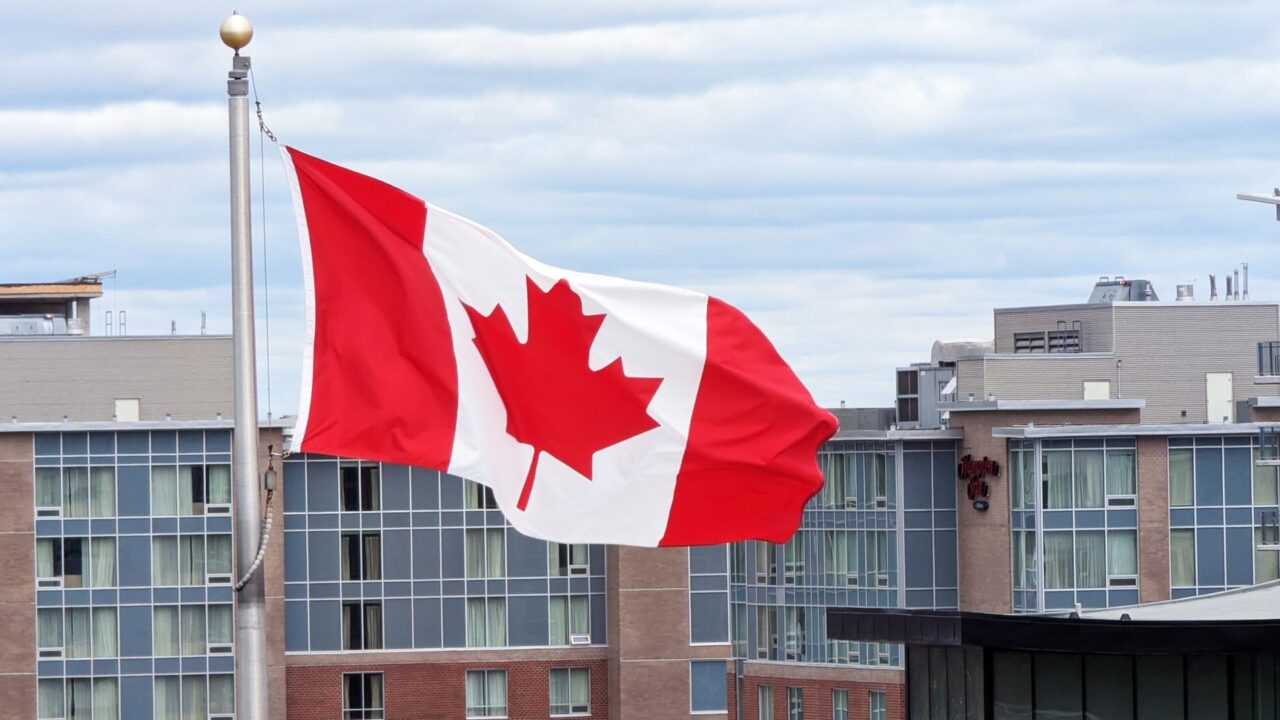
Ottawa’s Rohingya strategy commits $300 million over three years, but Canada’s world federalists question whether engaging the Myanmar government will help and regret that the Responsibility to Protect is left out entirely.
This week, Foreign Affairs Minister Chrystia Freeland released the government’s response, which is being referred to as “Canada’s Strategy to Respond to the Rohingya Crisis in Myanmar and Bangladesh.” This strategy will focus on four core objectives: alleviating the humanitarian crisis; encouraging positive political developments in Myanmar; ensuring accountability for the crimes committed; and enhancing international cooperation. As well, it says that “Canada will also work toward building support for the resettlement of Rohingya refugees to Canada and other countries.” $300 million of international assistance funding over three years will be devoted to the strategy.
Unfortunately, as with Special Envoy Rae’s report, it remains unclear how effective or useful some parts of the strategy may be, including continued active engagement with the Myanmar government.
And, disappointingly, while the Responsibility to Protect was only mentioned in passing in Rae’s report, it is not mentioned at all in the government response.
World Federalist Movement – Canada is a not-for-profit organisation that does research, education and advocacy on global governance, guided by the principles of democratic federalism. It is the Canadian member of the World Federalist Movement, has branches in Toronto, Montreal, Vancouver and Victoria, and co-publishes Mondial with Citizens for Global Solutions.
Cite this article in MLA style
“Canada’s newly released Strategy to Respond to the Rohingya Crisis in Myanmar and Bangladesh.” World Federalist Movement – Canada, May 2018, https://wfmcanada.org/blogs/news/canadas-newly-released-strategy-respond-rohingya-crisis-myanmar-bangladesh. Republished in Mondial, https://mondial.press/articles/2018/05/canadas-newly-released-strategy-respond-rohingya-crisis-myanmar-bangladesh/.
Mondial uses Google Analytics cookies to count visits and see which articles people read. You can change your choice at any time from Cookie settings at the foot of every page. Privacy policy (opens in a new tab)