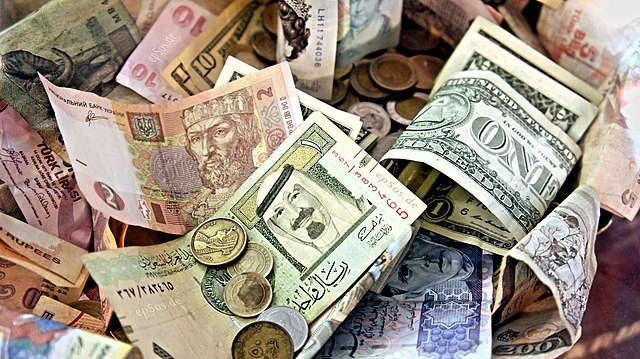
While globalization has brought many benefits — such as economic efficiency, international collaboration, and cross-cultural exchange — it has also come with a number of costs. One is a race to the bottom on corporate taxation. If a multinational corporation doesn’t like its tax rate in a country, it can simply move its money somewhere else, depriving the first country of any taxes at all. This creates an in- centive to push taxes lower and lower: Aver- age corporate taxes have declined from about 40% in the 1980s to about 20% in recent years, depriving governments of funds needed to tackle social and environmental problems.
An important step has been taken toward ending this dynamic. The 136 countries in the Organization for Economic Cooperation and Development (OECD), who are responsible for 94% of global economic activity, have agreed to a “global minimum tax.” According to this concept, all corporations with at least 750 million euros in global sales would be taxed at a rate of at least 15%. Income will be taxed where it is earned, so if a company like Microsoft has customers in, say, France, its revenue from those customers will be taxed by France. Moreover, if a country where the corporation does business doesn’t tax it at a rate of at least 15%, its home country can add “top-up tax” to make up the difference. This clever arrangement removes the incentive for lowering taxes.
The (almost) global minimum tax agreement is not without its weaknesses. Certain sectors, including finance and resource extraction, are for some reason exempt. Moreover, actually implementing the agreement will require countries to change their tax laws. Multina- tionals will undoubtedly lobby against such changes in the United States and elsewhere. It’s worth keeping an eye on and supporting the ratification of this agreement, which is a step toward reigning in global economic anarchy.