The Women, Peace and Security agenda has been developed through a series of United Nations Security Council Resolutions that began with Resolution 1325 (2000). Broadly put, the WPS agenda incorporates promotion and support for women’s active and meaningful participation in conflict-prevention and -resolution mechanisms, including peace negotiations; human rights of women and girls, including particular awareness of sexual- and gender-based violence in armed conflict; and women’s equal access to relief and recovery distribution mechanisms and services. Of the conflicts in the world today, most take place within states and are the result of poverty, resource scarcity, and human rights abuses. Women and girls suffer disproportionately from these situations and there are specific forms of violence, particularly sexual violence and exploitation, that are aimed at women and girls.
Women’s increased participation and representation is necessary to improve peace and security outcomes. The value and need for the Women, Peace and Security agenda becomes clear as we examine different aspects of the current situation. A 2018 study of 82 peace agreements in 42 armed conflicts between 1989 and 2011 found that peace agreements with female signatories are associated with durable peace and a higher rate of implementation for agreement provisions. Meaningful participation means that women are at the table when negotiations are taking place, women’s interests and lived experiences are fully reflected in peace processes, and women are equally considered in recovery efforts.
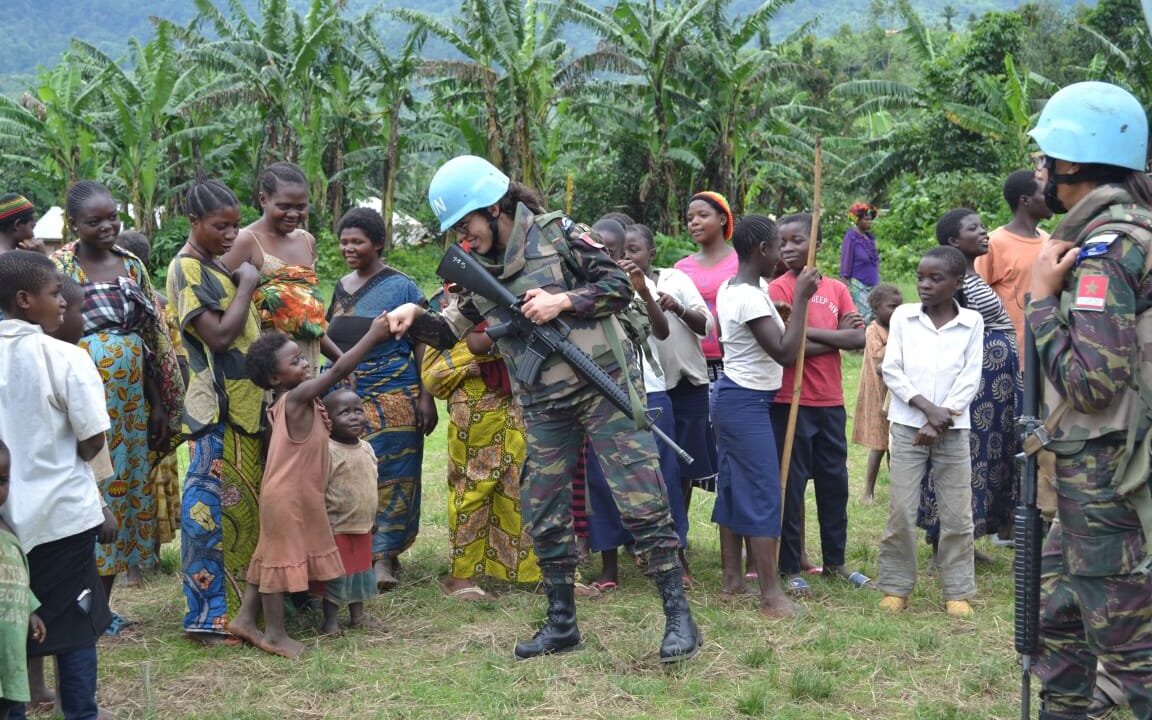
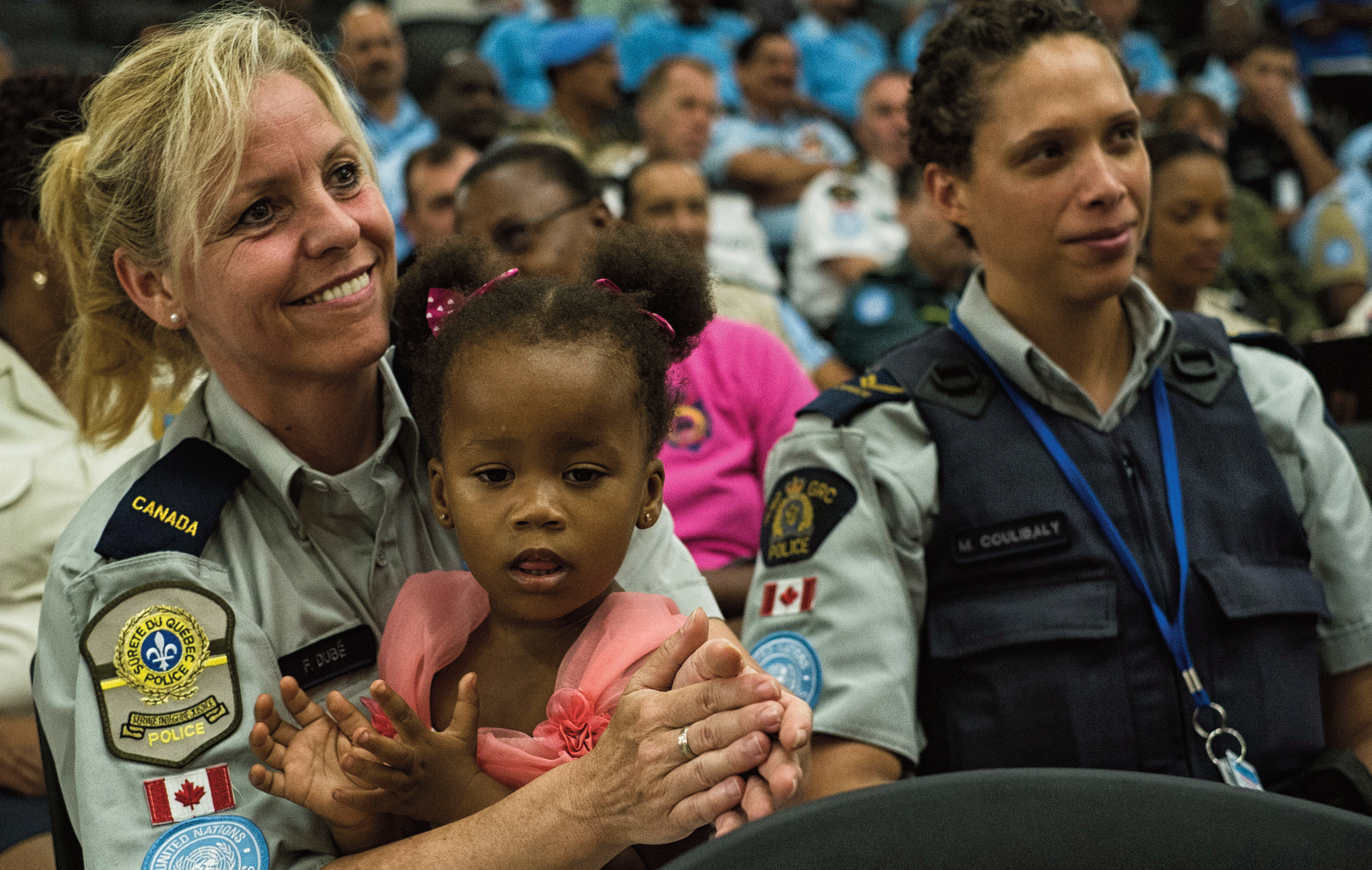
Despite the evidence, women still only represent very small percentages of mediators, negotiators and signatories in peace processes and subsequent implementation. Representation of women has improved in some areas, for example, in the UN Secretary-General’s Senior Management Group, which attained gender parity in January 2018. But within UN peacekeeping operations, women are still very under-represented (comprising only 4% of military troops and 10% of police officers). Globally, women are less well represented in elected positions in conflict and post-conflict countries than elsewhere.
Women's increased participation and representation is necessary to improve peace and security outcomes.
Three-fifths of all maternal deaths worldwide occur in countries affected by conflict or disasters. Early, forced, and child marriage increase in conflict-affected areas and in humanitarian settings. Financing for the Women, Peace and Security agenda has been increasing, albeit slowly. Member States of the United Nations have primary responsibility for implementing the Women, Peace and Security agenda and, as of January 2019, seventy-nine United Nations member states have developed national action plans on Women, Peace and Security to address the implementation of projects and programs in conflict and post-conflict situations.
As well, a Women, Peace and Security Focal Points Network was formed in 2016 in order to provide a forum for Member States and regional organizations to share strategies and approaches. Namibia is the current chair and in 2020, Canada and Uruguay will share that position. For World Federalists, the Women, Peace and Security agenda has been important for several of the organization’s core campaigning programs, including peacekeeping and peacebuilding, the Coalition for the ICC and the Responsibility to Protect Coalition.