Global Governance
Voices in Global Governance
All articles in Global Governance
-
World Federalist Reading (December 2017)
World Federalist Movement – Canada · January 2018
Four books explore UN reform, global peace through law, federalism as a political theory, and war crimes prosecution. The selections highlight key themes in global governance and world federalism.
-
Update from the ICRtoP: recent developments on the Responsibility to Protect at the United Nations (December 2017)
World Federalist Movement – Canada · January 2018
The UN General Assembly included Responsibility to Protect on its formal agenda. This marks progress for mainstreaming the norm within the UN system.
-
Update: The Campaign for a United Nations Parliamentary Assembly (December 2017)
World Federalist Movement – Canada · January 2018
Endorsements for a UN Parliamentary Assembly passed 1,500 legislators in 2017, with fresh backing from the Pan-African Parliament, the European Parliament and others. The UN’s 75th anniversary in 2020 is seen as the moment to put it on the agenda.
-
The proposal for a Latin American and Caribbean Criminal Court against Transnational Organized Crime reaches the United Nations General Assembly (December 2017)
World Federalist Movement – Canada · January 2018
Argentina’s vice president has taken a proposed regional criminal court against organized crime to the UN General Assembly. The world’s most violent region, with a homicide rate four times the global average, needs cooperation that national governments acting alone cannot provide.
-
The Prevention Up Front Alliance: Strengthening civil society capacity to prevent armed conflict (December 2017)
World Federalist Movement – Canada · January 2018
The Prevention Up Front Alliance advances conflict prevention through civil society. The alliance links GPPAC, CICC, and ICRtoP with the Netherlands government.
-
Our planet needs a strong government (December 2017)
World Federalist Movement – Canada · January 2018
Summits like the G20 and COP21 achieve little because they rest on the sovereign will of states with no enforcement. Only a UN turned into a true world government, with real power and armed forces, and no Security Council veto, can protect the planet.
-
Migration, refugees and the need for global governance reforms (December 2017)
World Federalist Movement – Canada · January 2018
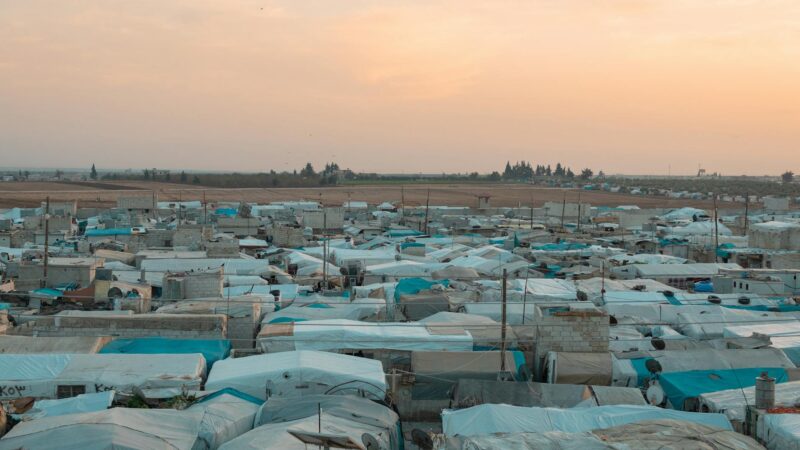
With more than 65 million people displaced, the post-war refugee system, funded by donor pledges and resting on outdated conventions, no longer works. Ten neighbouring countries host 90% of refugees, and a stronger multilateralism is needed to share the burden.
-
Democracy Without Borders: A new approach towards world federalism (December 2017)
World Federalist Movement – Canada · January 2018
The Campaign for a United Nations Parliamentary Assembly advances global democracy through federalist reform. A UN Parliamentary Assembly is seen as a tool for long-term democratization and integration.
-
Canada’s National Action Plan on Women, Peace and Security: What comes now (December 2017)
World Federalist Movement – Canada · January 2018
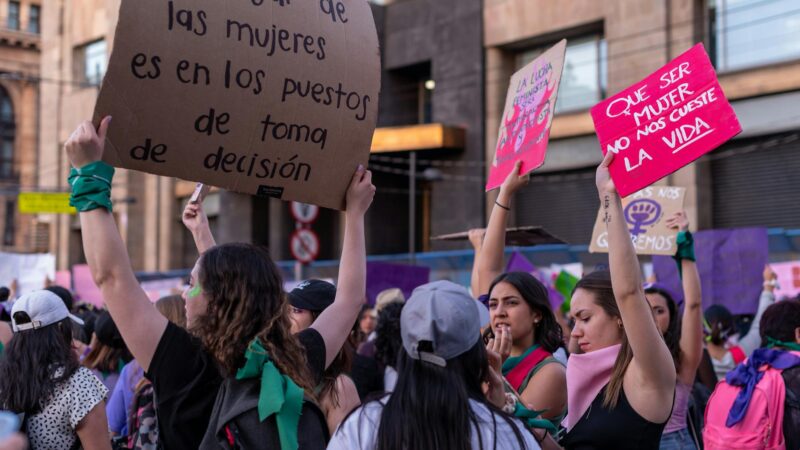
Annual progress reports and a civil society advisory group answer long-standing demands, but uneven departmental plans and a loose Theory of Change leave a gap between Canada’s WPS pledges and delivery.
-
Important meeting for the ICC
World Federalist Movement – Canada · October 2017
Ratification of the Kampala amendments has passed the threshold, leaving a two-thirds vote of states parties to give the ICC power over aggression, while the Coalition presses for independent judges and more women on the bench.
-
UNPA campaign update
World Federalist Movement – Canada · August 2017
Fifty-four Canadian MPs and Senators have endorsed the UNPA appeal, yet Canada has not formally backed a parliamentary assembly, though Commons foreign affairs committees have twice recommended it.
-
The Women, Peace and Security Agenda – Canada prepares to renew its National Action Plan (June 2017)
World Federalist Movement – Canada · July 2017
Monique Cuillerier describes how Canadian civil society compared other countries’ women, peace and security plans, found disappointing consultation, funding and diaspora involvement, and shaped a two-day Ottawa consultation around those lessons.