June 2026
The Future in the Past by S.M. Sharei
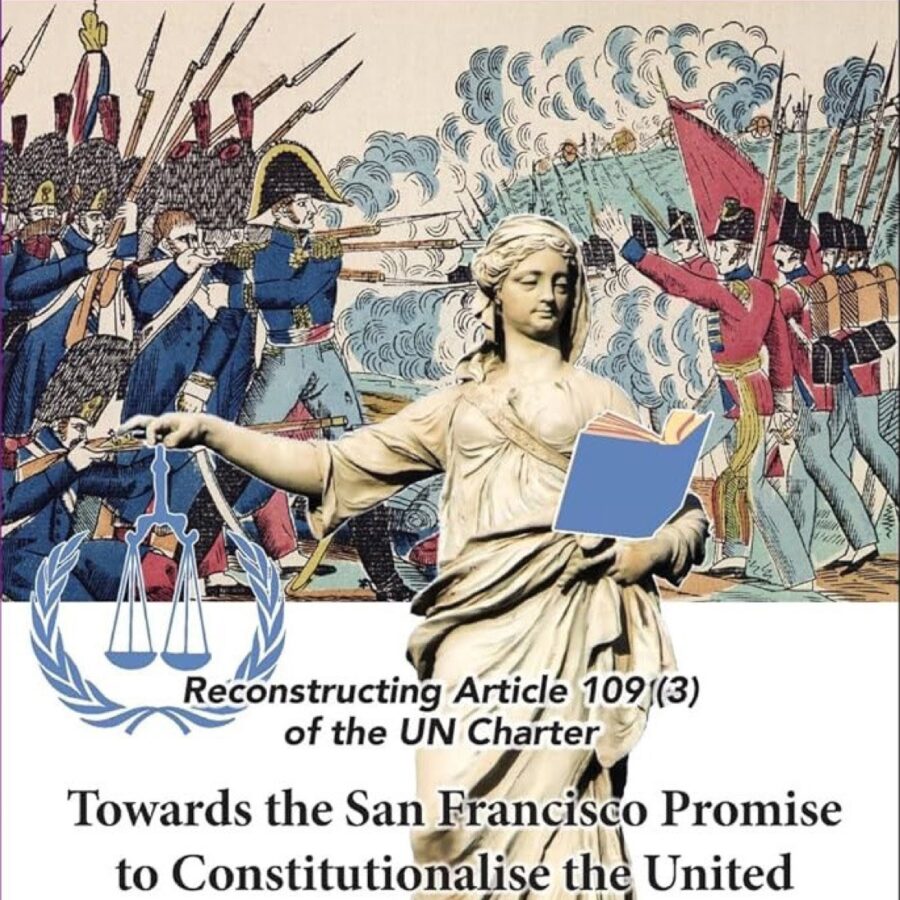
Dr. Mahmud Sharei's book argues for UN constitutionalization through Article 109(3). The author traces the evolution of international law and global governance frameworks.
June 2026
Dr. Mahmud Sharei's book argues for UN constitutionalization through Article 109(3). The author traces the evolution of international law and global governance frameworks.
June 2026
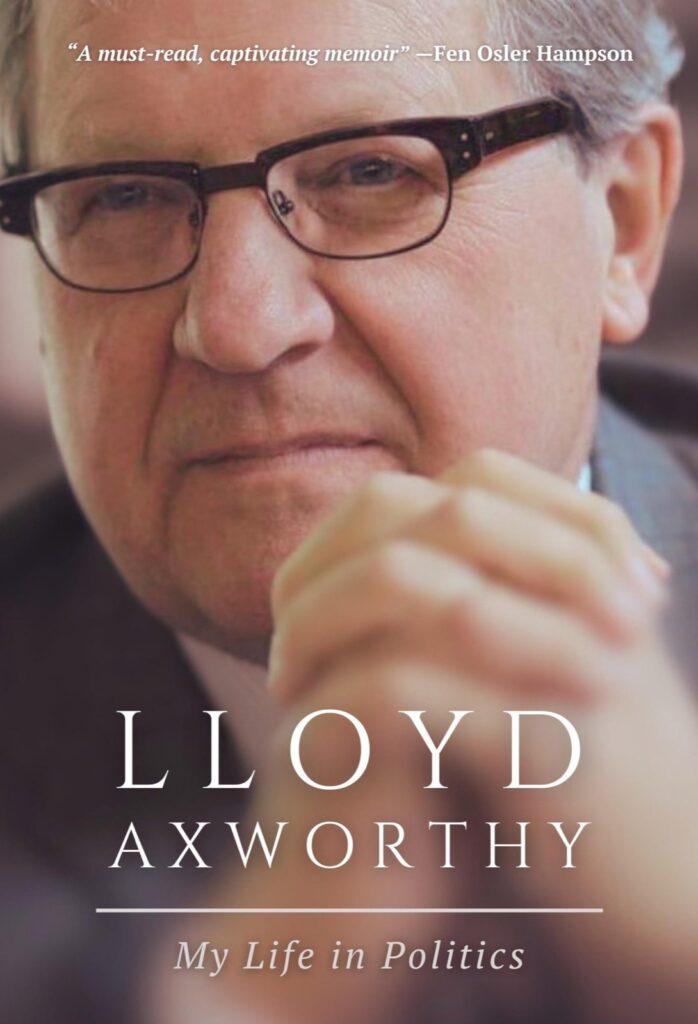
Lloyd Axworthy's memoir explores his political journey and advocacy for global governance. His work intersects with World Federalism and international humanitarian law.
March 2023
Keith McNeil reviews 'Breaking Boundaries' by Johan Rockstrom and Owen Gaffney, a book and companion documentary on the planetary boundaries that define a safe operating space for humanity. He highlights its case for global cooperation and notes where world federalists might extend the argument toward democratic global governance.
December 2023
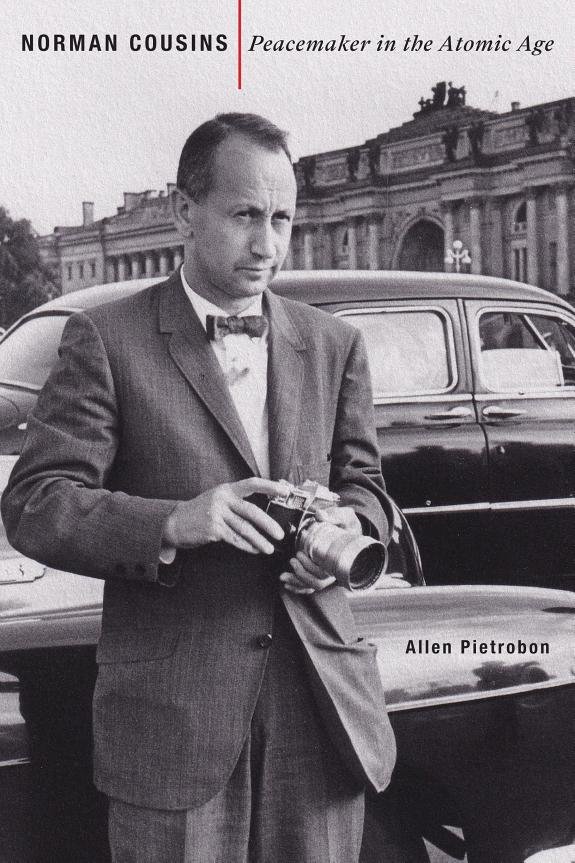
Allen Pietrobon's biography of Norman Cousins chronicles how the Saturday Review editor shaped Cold War peace advocacy through a network spanning Nikita Khrushchev, Pope John XXIII, and John F. Kennedy, leading United World Federalists and co-founding the National Committee for a Sane Nuclear Policy. Cousins brokered the Partial Test Ban Treaty of 1963 and dedicated decades to ending the wars in Vietnam and Biafra while arguing that nuclear weapons made world government a necessity.
December 2023
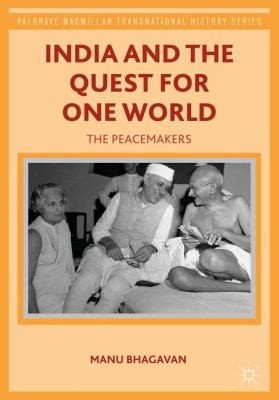
Historian Manu Bhagavan's The Peacemakers explores how Gandhi, Jawaharlal Nehru, and Vijaya Lakshmi Pandit shaped India's independence struggle and early foreign policy around a vision of democratic world government and human rights. Bhagavan challenges the assumption that the Universal Declaration of Human Rights derives primarily from Cold War American influence, arguing instead that India steered the creation of two separate rights covenants.
June 2024
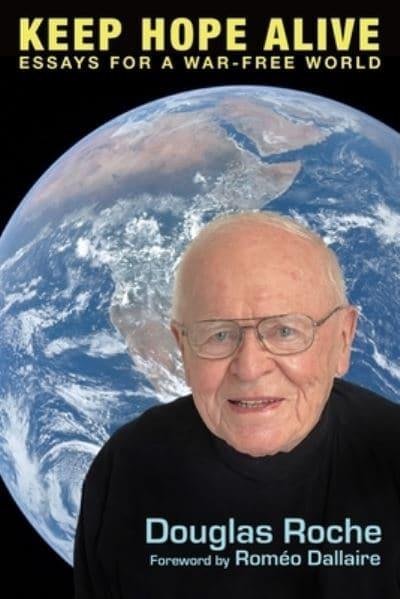
Hon. Douglas Roche's essay collection Keep Hope Alive connects nuclear disarmament, climate change, and socioeconomic inequality as interlocking crises requiring coordinated global governance, drawing on his career as Canadian Ambassador for Disarmament and Chairman of the United Nations Disarmament Committee. Roche credits grassroots civil society movements alongside UN-centered international cooperation as the twin levers for building a war-free world.
June 2024
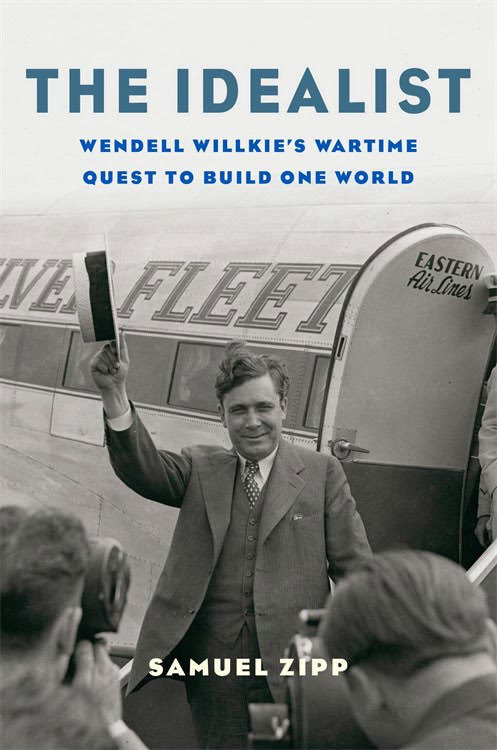
Wendell Willkie, a once-influential figure, launched a popular campaign for “global interdependence” during World War II. His vision argued that American independence required a new form of cooperation with the world, advocating for an end to empire and self-determination.
December 2025
Winston E. Langley's Abolishing War critiques the persistence of the Westphalian state system and the failure of the UN to dismantle entrenched cycles of nationalism, militarization, and economic inequality. Langley proposes Security Council reforms, a strengthened International Court of Justice, and a global nonviolent movement as the path toward replacing national security frameworks with human security.
December 2025
Roméo Dallaire's memoir recounts his experience as UNAMIR Force Commander during the 1994 Rwandan genocide, structured around Dante's Divine Comedy to move through Hell, Purgatory, and ultimately peace. Dallaire traces his path from witnessing 800,000 deaths and the collapse of UN intervention to decades of advocacy for veterans' mental health and the demobilization of child soldiers.
December 2018
In Supranational Political Economy, Guido Montani argues that a supranational governance framework modeled on European integration can rebalance politics and economics from Bretton Woods-era disorder through contemporary ecological and globalization crises. The book contends that a supranational world order allows global capitalism, inequality, and ecological challenges to be governed rather than left to uncoordinated nation-states.